
Introduction
A rishta decision is one of the heaviest decisions a person and a family can face. The proposal may look good on paper, yet the heart feels unsure. The family may be in a hurry, yet something inside you asks for more time. Friends may give opposite advice, and every new opinion can make the confusion deeper rather than clearer.
This is exactly the kind of moment istikhara was taught for. Istikhara means seeking what is good from Allah when you cannot see the full picture yourself. You do your homework, you talk to people you trust, and then you turn to Allah and ask Him to guide your heart toward what is truly best for your faith, your life, and your future.
In this guide, you will find the well-known istikhara dua with a simple transliteration, a Roman Urdu meaning that is easy to understand, and a step-by-step method you can follow tonight. You will also learn how to read the signs after istikhara honestly, what to do when no dream comes, and how to handle the pressure that often surrounds a rishta decision.
Whether this is your first proposal or one of several, take this slowly. A rishta is not a race. The goal is not to force an answer by morning. The goal is to reach a decision you can stand behind with a calm heart, knowing you asked Allah first. If you searched for the islamic istikhara dua for rishta decision in urdu, this guide brings the dua, its meaning, and the method together in one place.
Quick Answers
Istikhara for a rishta means praying two voluntary rakats and then reciting the well-known dua of guidance, naming your rishta decision clearly in your heart and words. You can repeat it for up to seven nights, and you should combine it with practical research and advice from trusted family members. Guidance usually appears as ease, peace, or doors opening or closing — not always as a dream.
- Pray two voluntary rakats, then recite the istikhara dua and name the rishta decision clearly.
- Repeat the prayer for up to seven nights if your heart is still unsure.
- Do your practical homework too: meet, ask questions, and consult trusted elders.
- Read the signs honestly: ease and calm point one way, repeated obstacles and unease point another.
- No dream does not mean no answer; many people receive guidance through clarity, not sleep.
- If you cannot pray the full prayer one night, the short dua of seeking goodness is a simple alternative.
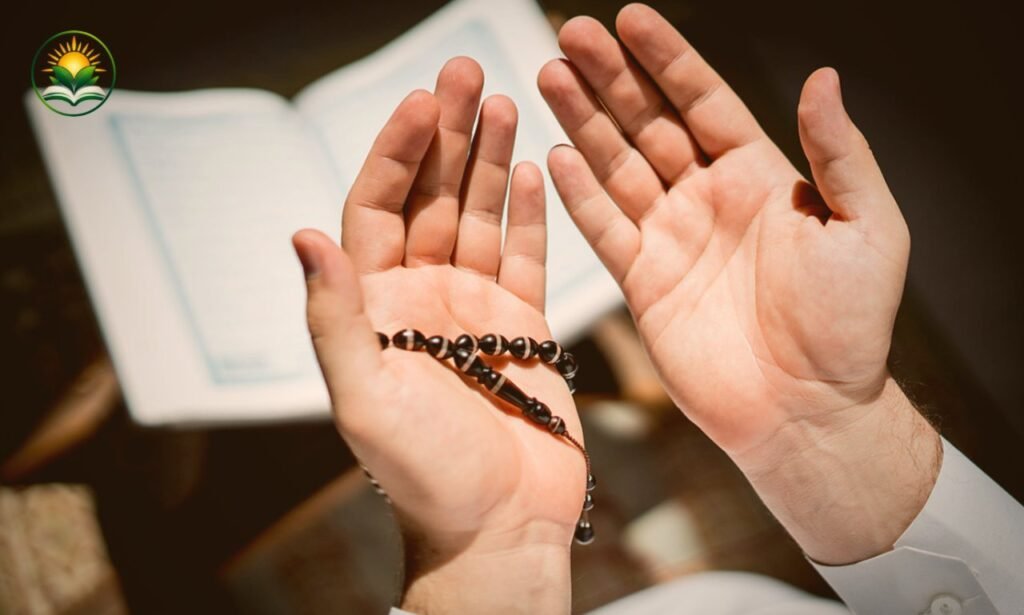
What Istikhara Really Means
The word istikhara comes from seeking khayr, which means goodness. When you pray istikhara, you are not asking Allah to show you the future like a fortune teller. You are asking Him to choose what is good for you, to make it easy if it is good, and to turn it away if it is harmful.
This matters because a rishta decision always involves things you cannot know. You cannot see how a person will behave in ten years. You cannot see how two families will live together. You cannot see the trials that may come. Istikhara is an admission of that limit, and a request for help from the One who knows everything.
It also protects you from two common traps. The first trap is deciding purely on emotion, because a person seems charming in a few meetings. The second trap is deciding purely on pressure, because relatives say this proposal will not come again. Istikhara puts a pause between the proposal and the answer, and that pause is where wisdom grows.
Remember too that istikhara is for permitted matters where a choice exists. You do not pray istikhara to decide whether to do something clearly wrong, or to avoid something clearly required. A rishta is a permitted matter with a real choice, which is why it fits istikhara so well.
When Should You Pray the Islamic Istikhara Dua for Rishta Decision in Urdu?
You can pray istikhara at any stage where a genuine choice remains open. You do not need to wait until the wedding date is fixed, and you do not need to pray it before you know anything about the proposal.
Here are the moments when istikhara is most useful for a rishta:
First, when a proposal arrives and you feel torn. Everything looks acceptable, but your heart is not settled. Istikhara helps you separate excitement from peace.
Second, when two proposals arrive at the same time. Comparing two good options can be harder than rejecting a bad one. Pray istikhara separately for each option, naming each one clearly, so your heart can settle on one path.
Third, when your family disagrees. Parents may favour one proposal while you lean toward another. Istikhara does not replace respectful discussion, but it gives everyone a shared way to seek guidance rather than argue endlessly.
Fourth, when a proposal has problems you cannot ignore. If something important feels wrong — character concerns, dishonesty, or pressure to compromise your faith — istikhara can confirm the unease you already feel and give you the courage to say no kindly.
Finally, when you are about to say yes. Even a happy yes deserves istikhara. Praying before you accept turns a good decision into a blessed one, and it fills the days after with calm instead of second-guessing.
The Istikhara Dua: Transliteration and Meaning
Below is the widely-known istikhara dua in transliteration, followed by its English meaning and a Roman Urdu explanation. Read it slowly, and do not worry about perfect pronunciation on your first night. Allah hears the effort of your heart as well as the words of your tongue.
Transliteration:
Allahumma inni astakhiruka bi ilmika, wa astaqdiruka bi qudratika, wa asaluka min fadlikal azeem. Fa innaka taqdiru wa la aqdiru, wa talamu wa la alamu, wa anta allamul ghuyub.
Allahumma in kunta talamu anna hadhal amra khayrun li fi dini wa maashi wa aqibati amri, faqdurhu li wa yassirhu li, thumma barik li fihi.
Wa in kunta talamu anna hadhal amra sharrun li fi dini wa maashi wa aqibati amri, fasrifhu anni wasrifni anhu, waqdir liyal khayra haythu kana, thumma ardini bihi.
English meaning:
O Allah, I seek goodness from You through Your knowledge, and I seek strength from You through Your power, and I ask You from Your great bounty. Indeed, You have power and I have no power. You know and I do not know, and You are the Knower of the unseen.
O Allah, if You know that this matter is good for me in my faith, my livelihood, and the outcome of my affairs, then decree it for me, make it easy for me, and bless me in it.
And if You know that this matter is bad for me in my faith, my livelihood, and the outcome of my affairs, then turn it away from me and turn me away from it, and decree for me what is good wherever it may be, and make me pleased with it.
Roman Urdu meaning:
Ae Allah, main Tujh se Tere ilm ke zariye bhalai maangta hoon, aur Teri qudrat ke zariye taqat maangta hoon, aur Tere bohat baray fazal ka sawaal karta hoon. Be shak Tu qudrat rakhta hai aur main qudrat nahi rakhta. Tu jaanta hai aur main nahi jaanta, aur Tu ghaib ka janne wala hai.
Ae Allah, agar Tu jaanta hai ke ye rishta mere deen, meri zindagi aur mere anjaam ke liye behtar hai, to isay mere haq mein likh de, isay mere liye asaan kar de, aur is mein barkat de.
Aur agar Tu jaanta hai ke ye rishta mere deen, meri zindagi aur mere anjaam ke liye bura hai, to isay mujh se door kar de aur mujhe is se door kar de, aur mere liye bhalai ka faisla kar de jahan bhi woh ho, phir mujhe is par raazi kar de.
When you reach the words “hadhal amra” (this matter), mention your rishta in your heart. You can say it silently in your own words, for example: “this rishta with this family” or the name of the person if you know it respectfully. The dua does not require you to announce the name aloud. What matters is that your intention is clear.
How the islamic istikhara dua for rishta decision in urdu Works Step by Step
Follow these seven steps in order. Keep the routine simple so you can repeat it without stress.
Step 1: Make a sincere intention
Before you begin, settle your intention. Tell yourself honestly that you are asking Allah for what is best, even if the answer is different from what you hoped. This honesty is the foundation of istikhara. If you have already decided and only want Allah to agree with you, pause and reopen your heart first.
A simple intention in your own words is enough: “Ya Allah, main is rishte ke baare mein Teri rehnumai chahta hoon” — O Allah, I want Your guidance about this rishta.
Step 2: Perform wudu
Perform fresh wudu as you would for any prayer. Wudu is not just cleanliness; it is a small ritual that signals to your heart that something important is about to happen. Take your time with it, and let the rush of the day wash away.
Step 3: Pray two voluntary rakats
Pray two rakats of voluntary prayer at any time when voluntary prayer is allowed. Many people prefer to pray after Isha, when the house is quiet, but any allowed time is fine.
In the first rakat, after Surah Al-Fatiha, you may recite Surah Al-Kafirun. In the second rakat, after Surah Al-Fatiha, you may recite Surah Al-Ikhlas. These are common choices, not strict requirements, so do not worry if you recite different surahs you know well.
Step 4: Praise Allah and send blessings on the Prophet
After finishing the prayer, praise Allah in your own words and send salutations upon the Prophet Muhammad (peace be upon him). A simple durood is enough. This step softens the heart and reminds you that you are speaking to the Most Merciful.
Step 5: Recite the istikhara dua
Now recite the istikhara dua given above. If you are still learning it, you may read it from a paper or a phone. Reading is allowed, and it is far better to read the dua correctly than to rush through memorised words you do not understand.
At the place of “this matter”, bring your rishta clearly to mind. Picture the decision honestly: accepting this proposal, with this person and this family, with everything you know so far.
Step 6: Make your own personal dua
After the istikhara dua, speak to Allah in your own language. This is the most personal part, and many people skip it, which is a shame.
You might say: “Ya Allah, agar ye rishta mere liye behtar hai to mere dil ko is par raazi kar de aur raaste asaan kar de. Agar behtar nahi hai to isay door kar de aur mujhe sabar aur behtar faisla ata farma.”
In English: O Allah, if this rishta is good for me, settle my heart upon it and make the path easy. If it is not good, move it away and grant me patience and a better decision.
Step 7: Sleep with trust, or carry on with your day
If you prayed at night, you may sleep after the dua. If you prayed during the day, simply continue your day. Do not stay awake hunting for a sign. Trust that guidance will reach you through your feelings, your circumstances, and the ease or difficulty that follows.
If your heart is still unclear after one night, repeat the prayer the next night. Many scholars mention repeating istikhara for up to seven nights, and there is no harm in that patience. A rishta deserves a week of prayer far more than a rushed answer.
How to Decide Alongside Istikhara
Istikhara is not a substitute for thinking. It is the spiritual half of a decision whose other half is practical and human. A person who prays istikhara and then ignores every red flag has misunderstood the prayer, just as a person who investigates everything but never prays has missed its blessing.
Start with the basics of the proposal. Learn about the person’s character, faith, habits, and way of treating others. Ask how they handle anger, money, and family disagreements. Meet in a proper, respectful setting with family involvement, and notice how they speak about their parents, their work, and their responsibilities.
Then seek mashwara, which means consultation. Talk to your parents, a trusted elder, or a wise friend who knows you well. Ask them what they see that you might be missing. Sometimes an elder notices a pattern in a family that a young person, understandably excited or nervous, cannot see yet.
Also look at the practical realities. Where will you live? How will finances be managed? What are the expectations about work, family visits, and religious practice? These questions are not unromantic. They are the daily fabric of a marriage, and answering them honestly now prevents painful surprises later.
For readers who want a companion guide on istikhara for a marriage proposal in general, this related post on istikhara for a marriage proposal is worth reading alongside this one: istikhara dua for a marriage proposal.
Finally, watch the process itself. Is the other family respectful, transparent, and patient? Or is there pressure, secrecy, or rushing? The way a proposal is handled often reveals more about a family than any single meeting. Istikhara works together with these observations, not apart from them.
Istikhara for Two Proposals at Once
Choosing between two proposals is a special kind of stress, because saying yes to one means saying no to another, and both families may be waiting. Handle this with structure rather than panic.
First, write down what you know about each proposal separately: character, faith, family behaviour, practical matters, and your own honest feelings. Writing forces clarity that swirling thoughts cannot provide.
Second, pray istikhara for each proposal on separate nights, naming each one clearly. Do not combine both names into one confused dua. One night, ask about the first proposal. Another night, ask about the second. Then compare how your heart settles after each prayer, and how events unfold around each option.
Third, avoid asking others to choose for you. Family can advise, but the final leaning should be yours, because you are the one who will live this marriage. If one proposal keeps becoming easier — meetings go smoothly, questions get honest answers, your heart grows calmer — pay attention to that ease.
And if both proposals fade, that is also an answer. Not every season must end in a yes. Sometimes Allah closes two doors because a better one is still ahead, even when waiting feels difficult.
What Happens After Istikhara: Reading the Signs Honestly
This is the part most people get wrong, so read it carefully. Many people who look up the islamic istikhara dua for rishta decision in urdu expect a dream, but after istikhara, guidance can arrive in several quiet ways, and a dream is only one of them — and the least reliable to chase.
The most common sign is a settled heart. You wake up feeling calmer about one direction. The confusion softens. You can think about the decision without your chest tightening. That calm, especially when it lasts for days, is a meaningful sign.
Another sign is ease in circumstances. Meetings get arranged smoothly. Honest answers come without struggle. Families communicate respectfully. Obstacles that once looked huge begin to dissolve. Ease does not mean a problem-free path, but it does mean the doors are opening rather than slamming shut.
The opposite signs matter just as much. Repeated, unexpected obstacles may be guidance too. Messages go unanswered, important facts come out late, or your unease grows stronger each time you think about saying yes. Do not ignore a pattern of difficulty just because you want the proposal to work.
Dreams deserve a careful word. Some people do see a clear, comforting dream after istikhara, and that can be a blessing. But many sincere people see nothing at all, or see ordinary, confusing dreams. A strange dream is not a verdict. A scary dream after istikhara does not automatically mean rejection, and a pleasant dream does not automatically mean acceptance. Judge dreams lightly, and judge your waking clarity heavily.
If you feel nothing different after one night, that is normal. Guidance is often gradual. Repeat the prayer, keep doing your homework, and watch the direction of your heart over a week rather than a single morning. Patience here is not delay; it is part of the answer.
Common Mistakes and Myths About Istikhara
Several myths make istikhara harder than it needs to be. One reason the islamic istikhara dua for rishta decision in urdu is misunderstood is that people treat it like a test with one dramatic result, instead of a prayer that guides the heart gradually. Clearing these myths will save you anxiety.
The first myth is that you must see a dream or the istikhara “did not work”. This is false. The purpose of the prayer is guidance, and guidance usually arrives as inclination, ease, or clarity — not as a cinematic dream.
The second myth is that someone else can pray istikhara for you and hand you the answer. It is best to pray it yourself, because it is your decision and your heart that must settle. Parents and elders can pray for you and support you, and their prayers are precious, but they cannot replace your own prayer.
The third myth is that istikhara must be repeated in a rigid, magical way — for example, that a specific number of recitations on specific beads guarantees a result. Istikhara is a prayer, not a formula. Repeat it with sincerity for up to seven nights if needed, but do not turn it into superstition.
The fourth myth is that a “yes” from istikhara means a perfect marriage with no problems. No marriage is free of tests. Istikhara asks for what is best overall, including the strength to handle the tests that come with it.
The fifth myth is that you should stop all practical effort once you have prayed. The opposite is true. After praying, take the next practical step: ask the next question, arrange the next meeting, or have the honest conversation you have been avoiding. Often the answer becomes clear only when you move.
Istikhara for Parents and Family Members
Parents often carry the weight of a rishta decision even more heavily than the young person. They worry about reputation, timing, and whether they are choosing well for their child. If you are a parent reading this, your role is both powerful and delicate.
You may pray istikhara yourself for your child’s rishta. That is a beautiful act of love. When you pray, ask Allah for what is best for your child, not merely for what looks respectable to relatives. A proposal that impresses the extended family but makes your child miserable is not a good proposal.
At the same time, leave room for your child’s own heart. Share your observations and concerns honestly, then step back enough for them to pray and decide. A decision forced by parental pressure may hold for the wedding day but crack in the years after.
For families, a helpful practice is to pray istikhara on the same nights and then talk calmly the next day. Compare notes without demanding agreement. Often parents and children, praying separately, begin to lean the same way, and that shared leaning brings great peace to the whole family.
Roman Urdu lines parents can use in their personal dua include: “Ya Allah, mere bache ke liye jo rishta behtar hai, usay asaan kar de aur jo behtar nahi, usay door kar de.” — O Allah, make easy for my child the rishta that is best, and move away the one that is not.
A Short Dua When Time Is Short
There are nights when the full prayer is difficult: you are travelling, you are unwell, or the decision must be made quickly. On such nights, a short, widely-known dua of seeking goodness can help you turn to Allah without delay.
The short dua is: “Allahumma khir li wakhtar li.” It means: O Allah, choose goodness for me and decide for me.
In Roman Urdu, you can say: “Ae Allah, mere liye bhalai chun le aur mere liye faisla kar de.”
Recite it with a sincere heart, name your rishta decision in your mind, and then take the best practical step available to you. The short dua does not replace the full prayer when you have time, but it keeps your heart connected to Allah on nights when time is short. It is especially useful before a phone call, a meeting, or a reply you must give the same day.
Remember, though, that shortcuts should stay shortcuts. If the decision is as big as a rishta, make time for the full two-rakat prayer on at least one calm night. A marriage deserves your best prayer, not only your quickest one.
Learning More About the Prayer of Guidance
If you would like background on how this prayer is described more broadly, the encyclopaedia entry on the prayer of seeking counsel explains its form and purpose in general terms: Salat al-Istikharah.
Reading a general description can deepen your understanding, but your practice should stay simple: two rakats, the well-known dua, your own honest words, and patient attention to how your heart and circumstances settle afterwards.
Final Thoughts
A rishta decision tests patience, faith, and courage all at once. You may want a loud, unmistakable answer, and instead receive a quiet calm that grows day by day. Trust that quiet. Allah’s guidance is often gentle, and gentle does not mean weak.
Pray istikhara, do your homework, consult people who love you, and then decide without fear. If the answer is yes, step forward with gratitude and build the marriage with kindness. If the answer is no, step back with grace and trust that a closed door is also a form of mercy.
And when the happy day comes, the same spirit of blessing continues into the celebration itself. For warm words to share when a sister’s nikkah is announced, you may like this collection of nikkah wishes for a sister in Urdu.
May Allah grant you a rishta that brings peace to your heart, strength to your faith, and barakah to your home. Ameen.
Frequently Asked Questions
How many times should I pray istikhara for a rishta?
You can pray it once, and repeat it for up to seven nights if your heart remains unsure. There is no fixed rule that it must be seven nights, and there is no harm in stopping earlier once your heart has settled clearly in one direction.
Do I have to see a dream after istikhara for a rishta?
No. A dream is not required, and many people receive guidance without any dream at all. Look instead for a settled heart, growing clarity, and ease or difficulty in the practical steps that follow your prayer.
Can I pray the islamic istikhara dua for rishta decision in urdu in Roman Urdu?
You can make your personal dua and your intention in Roman Urdu or any language you understand deeply. The well-known istikhara dua itself is traditionally recited in Arabic, but you may read it from a text while learning, and you should always follow it with your own words in the language of your heart.
Can my parents pray istikhara for my rishta?
Yes, parents can pray for their child’s rishta, and their prayers are a blessing. However, it is best for you to pray istikhara yourself as well, because the decision is yours and your own heart needs to settle. Combine both: your prayer, your parents’ prayers, and honest family discussion.
What should I do if two proposals both feel good after istikhara?
Pray for each proposal separately on different nights, and compare the clarity and ease that follow each prayer. Also compare the practical facts: character, family behaviour, and honest answers to important questions. If one path keeps becoming smoother and calmer, that pattern is worth trusting.
Can I pray istikhara after I have already said yes to a rishta?
Yes, you can still pray istikhara when a decision is fresh and reversible, asking Allah to bless it if it is good and to redirect you if it is not. Once a marriage is concluded, however, the focus shifts from istikhara to building the marriage with patience, kindness, and prayer for barakah.
What if I prayed istikhara and still feel confused?
Confusion after one night is normal, so repeat the prayer, keep consulting trusted people, and take one small practical step at a time. If confusion persists for weeks, speak to a knowledgeable local scholar or a wise elder who can help you sort the emotional pressure from the real facts of the proposal.
Hashtags
#IstikharaDua #RishtaDecision #IslamicDua #IstikharaForMarriage #DuaForRishta #RomanUrduDua #MarriageInIslam #SeekGuidance #IslamicBlessings #NikkahDua #PrayerForGuidance #RishtaInIslam #DuaForMarriage #TrustInAllah #IslamicGuidance